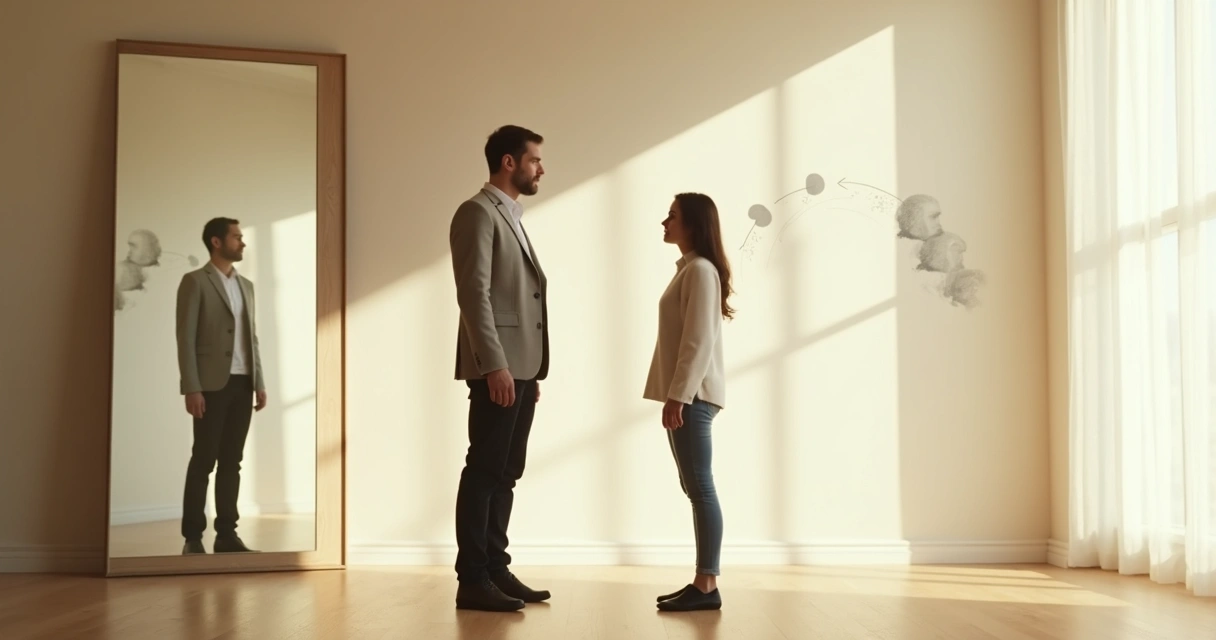

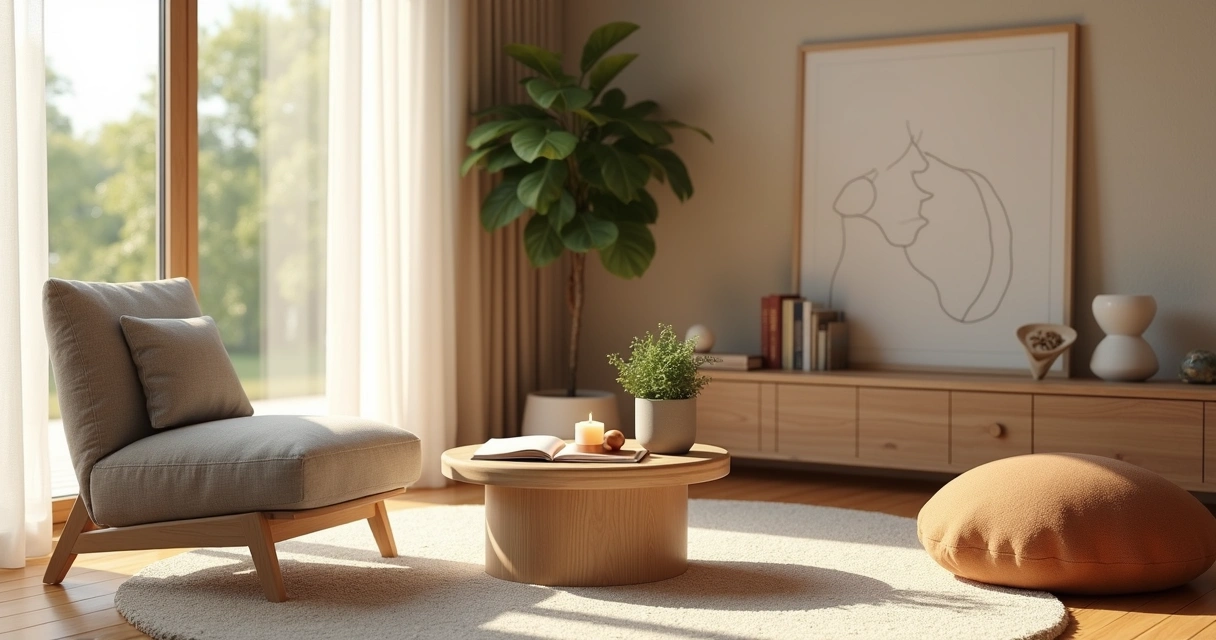
We often speak about emotional growth as if it happens only inside the mind. In our experience, that view is too narrow. The places where we live, work, rest, and connect shape our nervous system every day. A room can calm us or tighten us. A hallway can invite connection or avoidance. A desk by a window can help us think with more patience.
Physical spaces support emotional growth when they help us feel safe, aware, and able to respond instead of react.
This does not mean we need perfect homes, large offices, or expensive design. We do not. Emotional support in space often comes from simple qualities. Light. Order. Privacy. Air. Natural elements. A sense that the space matches the kind of inner state we want to build.
We have seen this in ordinary moments. Someone enters a crowded, noisy room and becomes short-tempered within minutes. The same person sits later near a quiet window, with softer colors and a clear surface, and their tone changes. Their breathing slows. Their thoughts become less scattered. The person is the same. The space is not.
Why spaces affect us so deeply
Human beings are relational, and that includes our relationship with the environment around us. We are always reading signals from space, even when we do not notice it. Is this place safe? Can I rest here? Do I need to defend myself? Can I focus? Do I belong?
When a space sends mixed or harsh signals, our body often reacts before our thoughts do. Clutter can create low-grade tension. Poor lighting can flatten mood. Constant noise can reduce tolerance. Lack of privacy can keep us in a guarded state.
Space speaks before words do.
On the other hand, supportive spaces help us practice regulation. They give the mind fewer threats to track. They reduce overload. They make reflection easier. This is one reason emotional growth is not only a personal task. It is also environmental.
A survey of 444 employees on natural elements and sunlight in workspaces found that both were linked with higher job satisfaction and lower depressed mood and anxiety. Sunlight had a particularly strong link with lower depression. We think this matters because mood is not formed in isolation. Daily surroundings keep feeding it.
What physical spaces make possible
Supportive spaces do not heal us by themselves. Still, they can make inner work more likely. They create conditions that help us stay present long enough to feel, reflect, and choose better responses.
In practice, a good space can support emotional growth in several ways:
It lowers sensory overload and reduces irritability.
It creates a sense of safety, which helps honest emotion surface.
It supports focus, so reflection does not break apart so easily.
It encourages healthier interaction through distance, seating, and flow.
It reinforces habits such as journaling, breathing, reading, or quiet pauses.
These effects may look small at first. Yet emotional life is shaped by repeated states. If a space helps us return to steadiness again and again, that steadying becomes part of our character.
Features that influence emotional growth
Some design choices have a stronger emotional effect than people expect. We should not treat them as decoration only. They help form the emotional tone of daily life.
Light, color, layout, and contact with nature can shape mood and attention in measurable ways.
A 2025 virtual reality study with children ages 10 to 14 found that six classroom features affected stress, attention, mood, and psychological restoration: indoor plants, window views, seating arrangement, window area, wall decorations, and wall or furniture colors. Spatial density did not show the same effect. We find this useful because it shows that emotional support is not vague. Specific features matter.
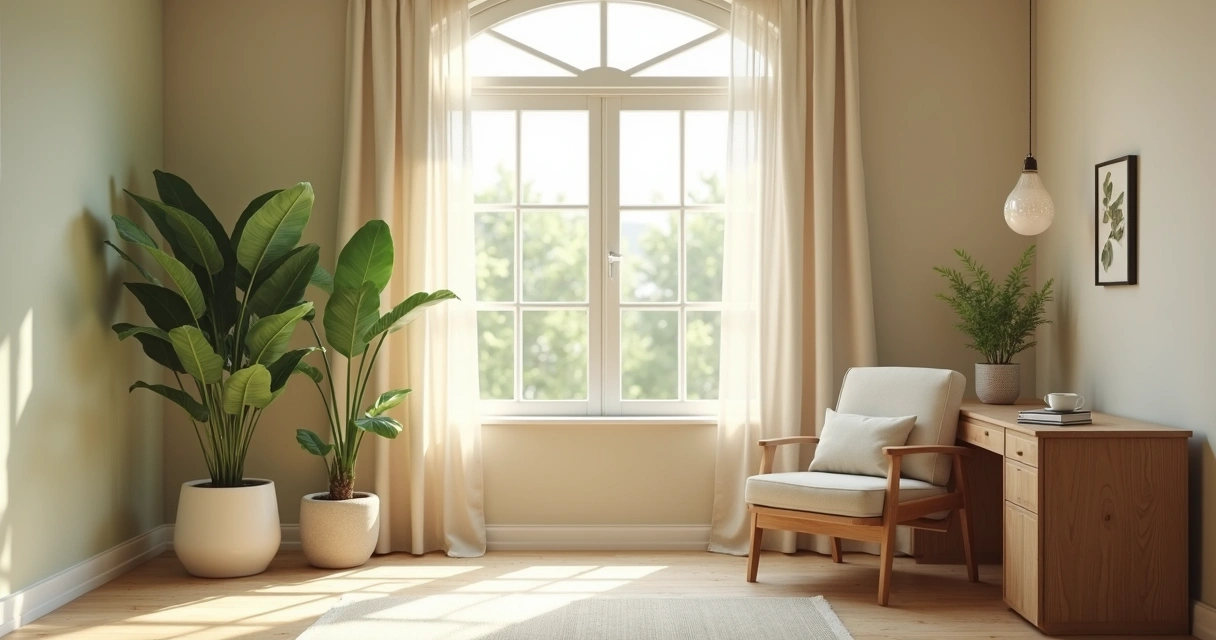
From our perspective, the most helpful features often include:
Natural light that changes through the day.
Views of trees, sky, or open distance.
Plants or natural materials that soften the room.
Clear pathways and enough personal space.
Colors that calm rather than overstimulate.
Places for both connection and privacy.
Not every room can have all of these. Still, one or two changes can alter the emotional quality of a place more than a full redesign done without care.
Home, school, and work each shape growth differently
We should not expect one kind of setting to do everything. Emotional needs shift by context.
At home, people often need recovery. The best spaces there usually support rest, honesty, and a break from performance. A small corner with softer light, reduced noise, and a stable routine can become a place for emotional reset.
At school, emotional growth depends not only on furniture or color, but also on relational atmosphere. A meta-analysis covering 61 studies and about 73,824 students found that classroom climate had a positive link with achievement, motivation, and engagement, and a negative link with internalizing and externalizing behaviors. Socioemotional support showed the strongest effect on emotional outcomes. We read this as a clear sign that space and relationship work together.
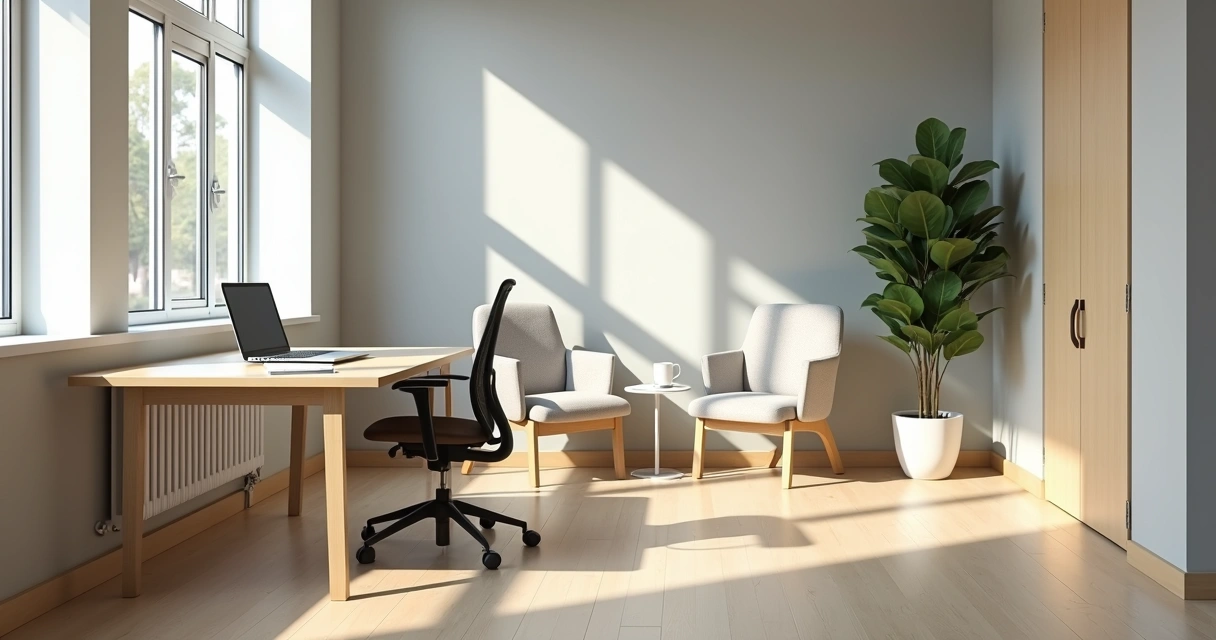
At work, people need both clarity and humane conditions. A harsh workspace can normalize emotional suppression. A more thoughtful one can support steadier communication and less friction. We have noticed that when people can access light, quieter zones, and a sense of order, conversations tend to become less defensive.
How to design a space that supports growth
We do not need to start with style. We can start with emotional function. Ask a simple question: what state do we want this space to help sustain?
If the answer is calm, the room should reduce noise, visual clutter, and harsh contrast. If the answer is openness, seating should allow eye contact without pressure. If the answer is reflection, the space should protect attention.
A useful process can be simple:
Name the emotional state you want more often.
Notice what in the room increases tension or distraction.
Add one natural element, such as a plant or window access.
Create one clear zone for rest, thought, or conversation.
Keep only objects that support the tone you want to build.
A supportive space is not the most attractive one. It is the one that helps us return to balance.
We also think ritual matters. A chair used only for reflection, a table kept clear for conversation, or a lamp turned on at the end of the day can teach the body what kind of presence belongs there.
Conclusion
Physical spaces do not replace emotional work, but they can either support it or disturb it. We think this is one of the quieter truths of human development. Growth becomes more possible where the body feels safer, the mind feels less crowded, and relationships have room to breathe.
When we change a space with care, we are not only moving objects. We are shaping patterns of attention, reaction, and connection. Over time, that changes more than a room. It changes how we show up inside it.
Frequently asked questions
What is emotional growth in physical spaces?
Emotional growth in physical spaces means developing more self-awareness, steadiness, and healthy response patterns with the help of the environment around us. A space can support this process by offering safety, comfort, privacy, natural light, and lower sensory stress.
How do spaces affect emotional well-being?
Spaces affect emotional well-being by sending signals to the nervous system. Light, noise, color, layout, air, and contact with nature can influence stress, mood, focus, and social behavior. When a space feels chaotic or harsh, emotional strain often rises. When it feels calm and clear, regulation becomes easier.
What are the best spaces for growth?
The best spaces for growth are usually those that feel safe, quiet enough for reflection, and supportive of honest connection. They often include natural light, comfortable seating, simple organization, and some degree of privacy. The best space is not always large or expensive. It is the one that helps us remain present.
How can I design a supportive space?
We suggest starting with one emotional goal, such as calm, focus, or openness. Then adjust the room to support that goal. Reduce clutter, improve lighting, add a plant, soften colors, and create a clear purpose for each area. Small changes often have a real effect when they are done with intention.
Is it worth it to change my space?
Yes, it often is. Even modest changes can improve mood, reduce tension, and support better habits. If a space affects how we feel and respond each day, then shaping it with care can have lasting emotional value.