
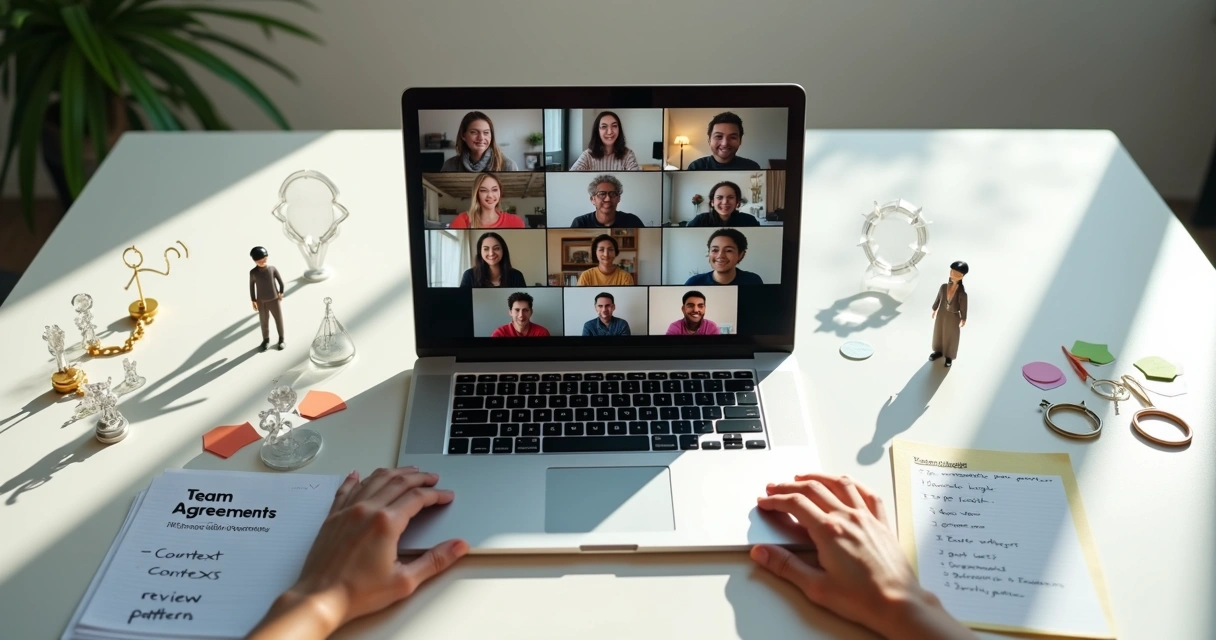
Remote work can look fair on the surface. Everyone joins the same calls. Everyone uses the same chat. Everyone has access to the same tools. But we have seen that old patterns often travel into new systems.
Inherited bias is one of those patterns. It comes from habits, beliefs, and workplace norms that people absorb long before they join a team. In remote settings, that bias can become harder to notice because so much happens through screens, short messages, and quiet assumptions.
Inherited bias in remote teams is not just personal prejudice. It is often a repeated pattern built into routines, expectations, and decisions.
That is why remote work needs more than policy. It needs awareness. It needs reflection. It needs team structures that reduce the chance of unfair treatment before damage spreads.
We have also seen why this matters now. Research from the Stanford Institute for Economic Policy Research estimates that about 25% of paid workdays for Americans aged 20 to 64 are spent working from home. The same paper shows that women and workers with children under eight work from home at higher rates than others. When remote work is common, bias inside it affects real careers, pay, and trust.
Start with how bias hides online
In an office, we may notice who gets interrupted, who gets ignored, or who is left out of informal talks. In remote teams, those signals are softer. A person may be left off a call. A message may get slower replies. A manager may assume someone at home is less committed, even with no proof.
Bias grows in silence.
That silence can shape real outcomes. A 2024 working paper from the University of Sheffield found a strong link between more remote-work hours and wage penalties for women, with much heavier effects for Black women. We think this is a warning sign. If leaders do not question old assumptions, remote work can repeat inequality in a cleaner-looking format.
Set clear rules for visibility and access
The first way to prevent inherited bias is to reduce guesswork. In many teams, visibility still shapes trust. People who speak more in meetings, reply fastest, or mirror a manager's style often get more credit. Remote work can make this worse.
We prefer to replace vague signals with shared rules. Teams should know:
- How work will be tracked
- How meeting input will be collected
- How projects will be assigned
- How performance will be reviewed
When these rules stay unwritten, bias slips in. One manager may read quiet behavior as lack of interest. Another may reward people who are online late, even if that punishes caregivers or workers in other time zones.
Clear standards protect people from being judged by style, proximity, or personal comfort with visibility.
We once saw a remote team change one simple thing. Instead of praising whoever spoke first on calls, they asked everyone to submit short written input before meetings. The result was immediate. More voices appeared. Better ideas surfaced. The loudest people were no longer the default center.
Audit decisions, not just attitudes
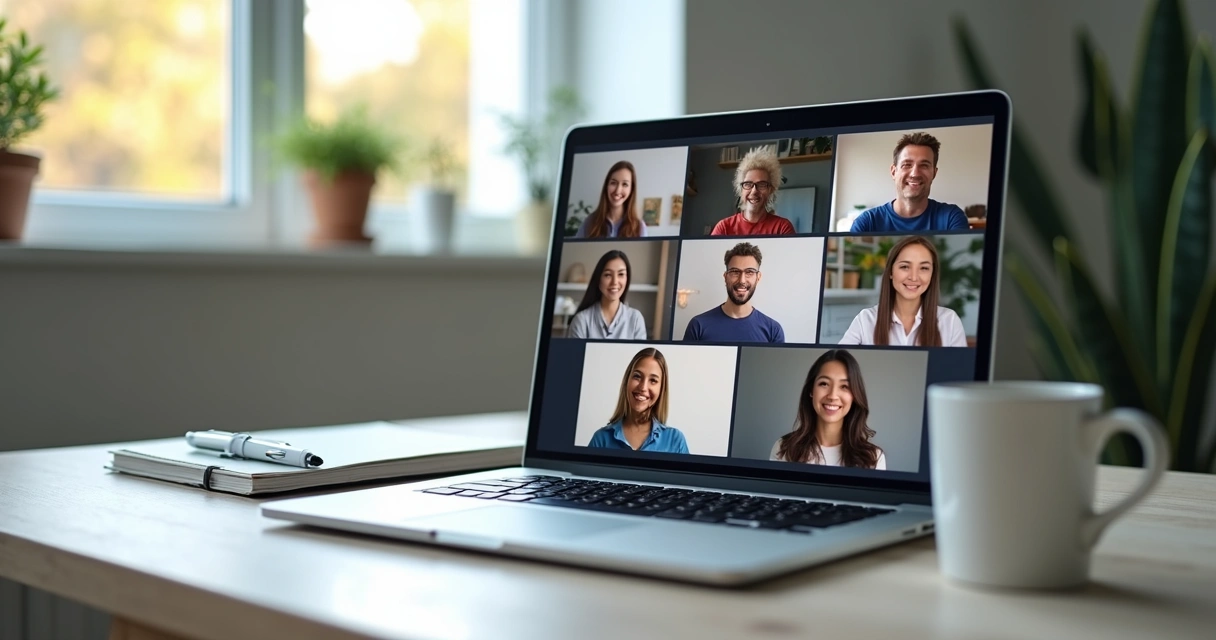
The second way is to review outcomes. Many teams talk about fairness, but far fewer check whether fairness is showing up in promotions, pay, project access, and feedback quality.
This matters because bias is often indirect. A leader may say, "We treat everyone the same." Yet the same people keep getting stretch assignments, mentoring time, or faster responses. That is not random.
We suggest reviewing patterns such as:
- Who gets invited to high-value meetings
- Who receives public praise
- Who is promoted after remote periods
- Who gets labeled difficult, passive, or not ready
Data can also mislead when it is poorly measured. An NBER working paper on work-from-home measurement warns that survey methods can undercount remote work by up to about 25 percentage points. We think the lesson for teams is simple. If we do not measure carefully, we may deny a problem that is already active.
Fairness reviews should happen on a schedule, not only after conflict. Waiting for someone to complain is too late. By then, trust is already weak.
Train managers to question inherited norms
The third way is manager training, but not the kind that ends with a slide deck and a checkbox. Good training helps managers notice the beliefs they absorbed from older workplaces.
Some of those beliefs sound familiar:
- People who are always available care more
- Strong leaders speak often and with force
- Home life should stay invisible at work
- Direct communication is always better than careful communication
These ideas may seem normal. Still, they can punish people unfairly in remote teams. Parents, disabled workers, quiet thinkers, and people from different cultural backgrounds often feel this first.
Bias prevention training works best when managers practice how to pause, question their first reading, and ask for evidence.
We have seen one useful exercise in leadership sessions. A manager reviews a missed deadline and writes the first story that comes to mind. Then they must write three other possible explanations. That short pause can soften blame and open better questions.
Assumptions are fast. Fairness is slower.
Build communication that includes different styles
The fourth way is to stop treating one communication style as the professional standard. In remote teams, style often gets confused with skill. Fast replies may look like commitment. Smooth speaking may look like competence. Brief messages may look cold.
But remote work crosses personality, culture, language, and time differences. If a team only rewards one style, inherited bias gets reinforced.
We recommend a mix of channels and response options. For example, teams can combine live calls, written updates, recorded input, and follow-up notes. They can also state expected reply times, so nobody is judged for not reacting at once.
This gives people room to contribute in ways that fit their strengths. It also reduces the chance that leaders mistake familiarity for quality.
Create a culture of repair
The fifth way is often missed. Even good teams will make biased decisions sometimes. What matters next is whether people can name the issue and repair the impact without fear.
In our experience, remote teams struggle here because distance can make tension feel sharper. A short message can feel cold. A delayed reply can feel defensive. People start protecting themselves instead of solving the issue.
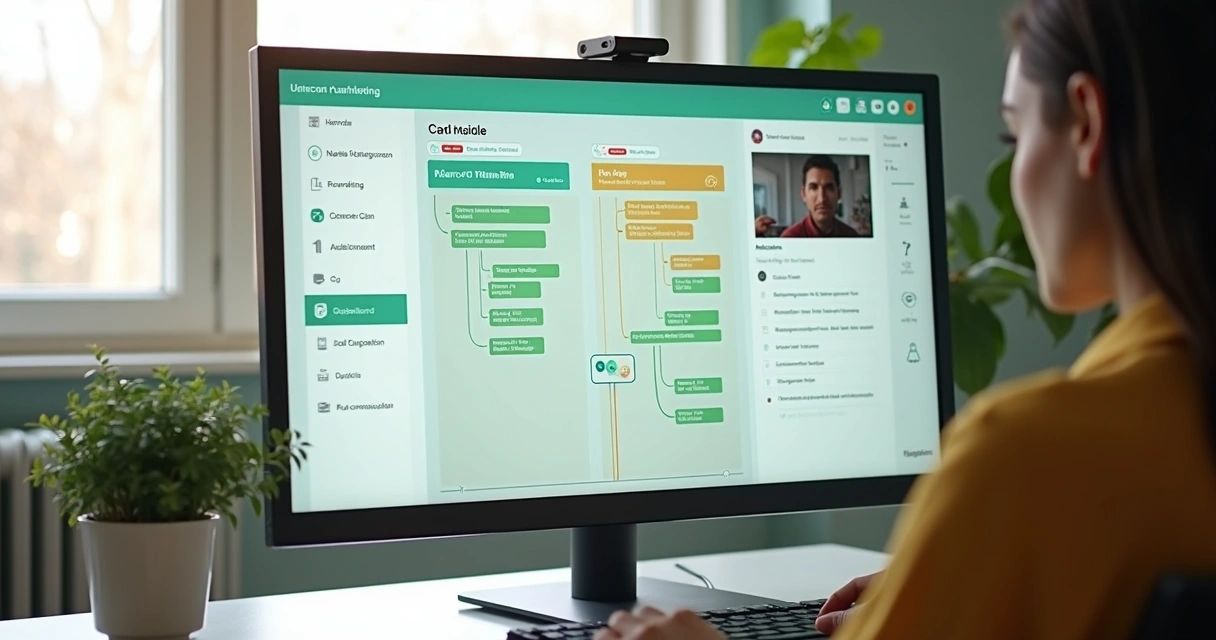
That is why teams need a repair process. Not a dramatic one. A usable one.
It can include a few simple steps:
- Name the behavior, not the person's worth
- Ask what impact it had
- Review what rule or assumption shaped it
- Agree on one visible correction
A fair remote culture is not one with no mistakes. It is one where mistakes can be faced, understood, and corrected.
We think that changes the emotional tone of a team. People become less reactive. Leaders become less defensive. Trust grows because accountability becomes normal, not rare.
Conclusion
Inherited bias in remote work teams does not appear out of nowhere. It enters through old beliefs, hidden preferences, and habits that were never questioned. Once inside, it affects who is seen, who is trusted, and who moves forward.
The five practices we shared can help prevent that drift:
- Set clear rules for visibility and access
- Audit decisions, not just attitudes
- Train managers to question inherited norms
- Build communication that includes different styles
- Create a culture of repair
We believe remote work becomes healthier when fairness is designed into daily behavior. Small choices matter. Repeated choices shape culture. And culture, over time, shapes people's lives.
Frequently asked questions
What is inherited bias in remote teams?
Inherited bias in remote teams is a set of unfair assumptions or habits carried over from older work cultures, social norms, or past leadership models. It may affect who gets trust, attention, feedback, or career chances, even when nobody says anything openly biased.
How can I spot bias at work?
We can spot bias by looking for patterns. Notice who gets invited into decisions, who gets credit, who is interrupted, who receives slower replies, and who is judged more harshly for the same behavior. Repeated uneven treatment is often a sign that bias is active.
What are ways to reduce bias remotely?
Teams can reduce bias remotely by using clear performance rules, documenting decisions, rotating meeting roles, offering written and live ways to contribute, reviewing promotion and pay patterns, and giving managers training that helps them question quick assumptions.
Why does bias happen in remote work?
Bias happens in remote work because distance creates gaps in context. People fill those gaps with assumptions. Without clear systems, leaders may rely on familiarity, speed, communication style, or personal comfort when judging others. That makes old bias easier to repeat.
Can training help prevent inherited bias?
Yes. Training can help when it goes beyond general advice and shows managers how bias appears in daily choices. The best training includes practice, reflection, real examples, and follow-up. It should help people slow down, check evidence, and respond with more fairness.